
WHERE OMIND TAKES A PRACTICAL APPROACH
Implementation problems rarely manifest themselves as clearly defined issues, but rather as delays, friction or deviations from objectives. OMIND intervenes where responsibility, routines and decision-making need to be specifically refined.

WHAT HAPPENS IN REALITY
Goals are defined,
but in day-to-day practice, it remains unclear who takes responsibility and how progress is measured.
Projects are underway,
yet decisions are delayed, commitments are reneged upon, and risks only become apparent once results are already at risk.
Processes work,
but only on paper; friction, deviations and recurring disruptions arise at interfaces.
WHERE WE STEP IN WHEN IMPLEMENTATION STALLS
ORGANISATIONAL DEVELOPMENT
When responsibilities, decision-making pathways and leadership logic are not clearly aligned, friction, coordination loops and slow decision-making arise. OMIND aligns structures, roles and governance so that responsibility takes hold, leadership becomes effective and implementation does not lose clarity in day-to-day operations.


PROCESS DEVELOPMENT
When processes are defined in principle but instability, waiting times or recurring deviations arise at interfaces, performance suffers. OMIND makes bottlenecks, handovers and critical process steps manageable, so that processes become more reliable and performance is not lost between departments.


PROJECT DEVELOPMENT
When projects are launched before objectives, roles, risks and decision-making processes have been clearly defined, this leads to subsequent delays and costly course corrections. OMIND structures projects in such a way that objectives, responsibilities and control mechanisms are robust from the outset, enabling projects to be actively managed.

PROJECT IMPLEMENTATION
When projects come under pressure, commitments are reneged upon or decisions remain unmade despite the need for action, mere reporting is no longer sufficient. OMIND brings control, accountability and course correction to critical projects and, where necessary, assumes operational responsibility until progress is visible and results are secured.

When behaviour changes
results change.
Performance Diagnosis
WHERE PERFORMANCE IS ACTUALLY LOST
We analyse objectives, processes, responsibilities, interfaces, control routines and key performance indicators. The result is a prioritised overview of the levers that actually influence the achievement of objectives.

Setting up a control system
MAKING OBJECTIVES, RESPONSIBILITIES AND KEY PERFORMANCE INDICATORS MANAGEABLE
We translate objectives, processes and responsibilities into a concrete control system with key performance indicators, leading indicators, escalation protocols, decision-making pathways and action routines.
Making organisations effective
ALIGNING STRUCTURES, ROLES AND LEADERSHIP WITH IMPLEMENTATION
We develop organisational logic in such a way that clear responsibilities, effective decisions and stable management routines take effect in day-to-day operations.

Stabilising processes
Making interfaces, routines and workflows reliable
We address bottlenecks, unstable handover points and recurring deviations along the value chain so that process performance becomes manageable.

Making projects feasible
SETTING UP PROJECTS TO BE MANAGEABLE FROM THE OUTSET
We ensure clear objectives, realistic commitments, well-defined roles, transparent risks and consistent monitoring, so that projects can be actively managed.

Embedding implementation in the line organisation
MAKING MANAGEMENT PART OF THE ORGANISATION’S WORKING METHOD
We empower managers and teams to use the management system independently, so that management becomes part of line management and does not depend on the project team.

Taking operational responsibility
WHEN MANAGEMENT NEEDS TO BE LED, NOT JUST ADVISED
If internal capacity, experience or authority are lacking, OMIND takes on operational responsibility and actively helps to manage programmes, projects or critical initiatives.
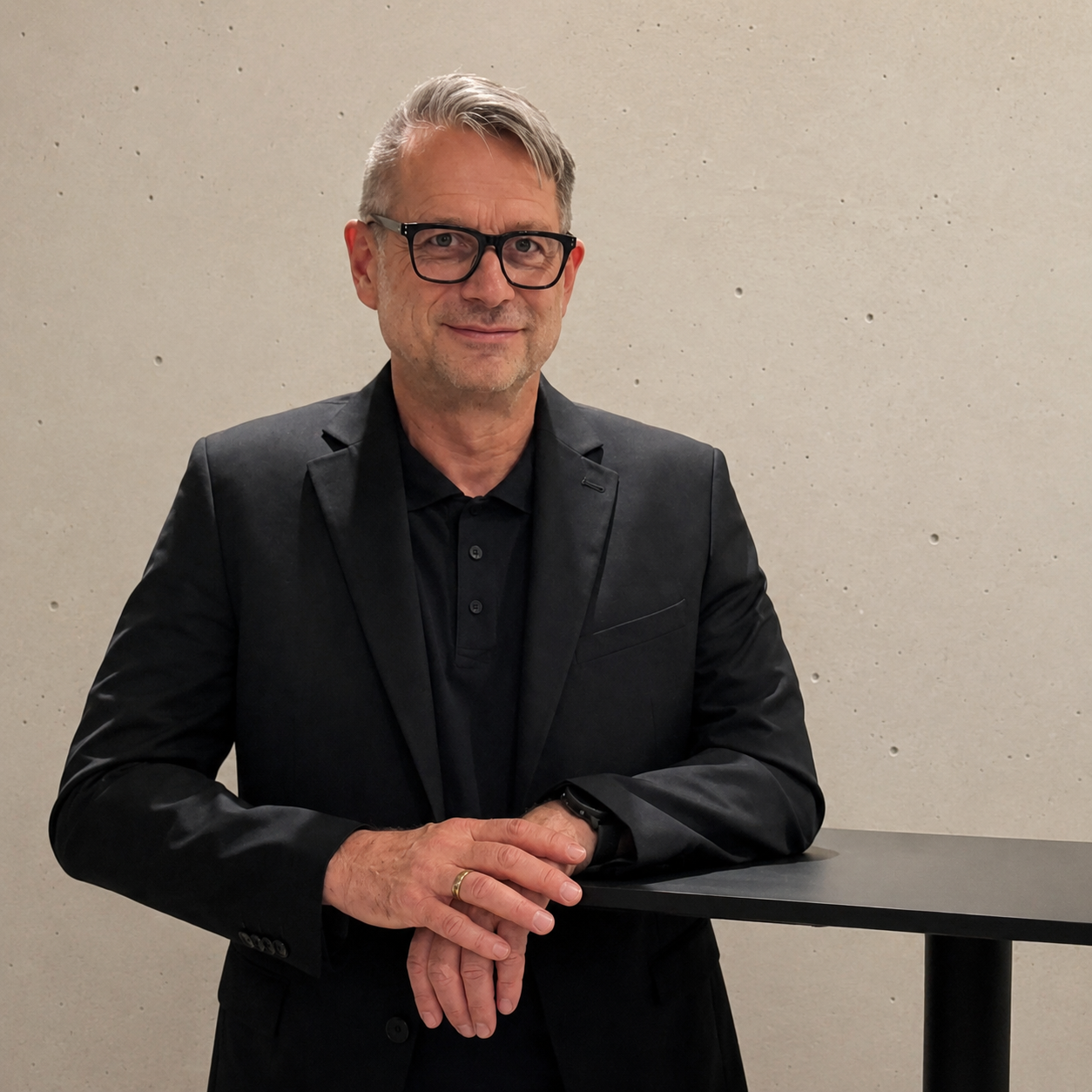
“In projects, it’s not about how much information is available. What matters is whether the right people recognise early enough what needs to be done.”
Christoph Trull