SETTING UP PROJECTS IN A TARGET-ORIENTED MANNER

SETTING UP PROJECTS THAT DELIVER

When objectives, roles, risks and decision-making processes are not clear enough, projects drag on, resulting in delays, additional iterations and significant cost overruns. OMIND steps in to support new or ongoing projects, refining structure, responsibilities and collaboration so that projects are managed reliably, deadlines are met and budgets are better protected.


TYPICAL STARTING POINTS IN PROJECTS

WHEN OBJECTIVES ARE NOT SET CLEARLY ENOUGH

Project launch without clear objectives

Projects start with high expectations, but often without a clear definition of objectives, priorities and success criteria. As the project progresses, discussions arise about scope, conflicting expectations and changes of direction, because there is no common basis for decision-making.

PROJECTS NEED CLEAR ACCOUNTABILITY

Unclear roles and decision-making processes

Clients, project management, specialist departments and external partners work together without responsibilities, decision-making powers and escalation procedures being clearly defined. Decisions are delayed, commitments remain non-binding and operational issues end up where they should be managed rather than improvised.

WHEN PROJECTS ARE LAUNCHED BUT CANNOT BE MANAGED

Ongoing projects without stable management

Even in advanced project phases, unclear priorities, shifting coordination and a lack of transparency regarding risks and progress are often evident. OMIND steps in during these situations, works with the existing structure and refines the management logic where projects lose their sense of commitment in day-to-day operations.

COMPLEX PROJECTS NEED A CLEAR LOGIC

Too many interfaces and dependencies

When multiple departments, sites or external partners are involved, additional coordination is required at the interfaces. Without clear interfaces, responsibilities and decision-making logic, coordination and complexity grow faster than actual progress.

RISKS MUST BE IDENTIFIED EARLY

Risks are taken seriously too late

Risks, critical paths and dependencies are often known, but are not integrated into decisions and routines in a way that allows for an early response. Problems only become apparent when deadlines are missed, commitments can no longer be met or costly course corrections become necessary.

Slide 1 of 2

HOW OMIND TRANSFORMS YOUR PROJECTS

CLEAR PROJECT ARCHITECTURE

Objectives, roles and decisions are effective.

Project objectives, responsibilities and decision-making processes are clarified so that everyone involved knows who prepares, decides, escalates and follows up. This creates a project logic in which leadership is based not on ambiguity, but on clear lines of responsibility.

TRANSPARENT PROJECT STATUS

Risks and progress become apparent at an early stage.

Critical paths, dependencies, risks and milestones are assigned clear responsibilities and can be tracked throughout the process. Management identifies early on where projects are falling behind schedule and can take corrective action before delays and associated costs arise.

RELIABLE PROJECT ROUTINES

Project management becomes practical in day-to-day work.

Meetings, decisions and follow-up follow a clear logic that fits the reality of the project and can be continued by the team. This avoids a reliance on external support, instead creating a structure that allows projects to be managed independently and reliably.
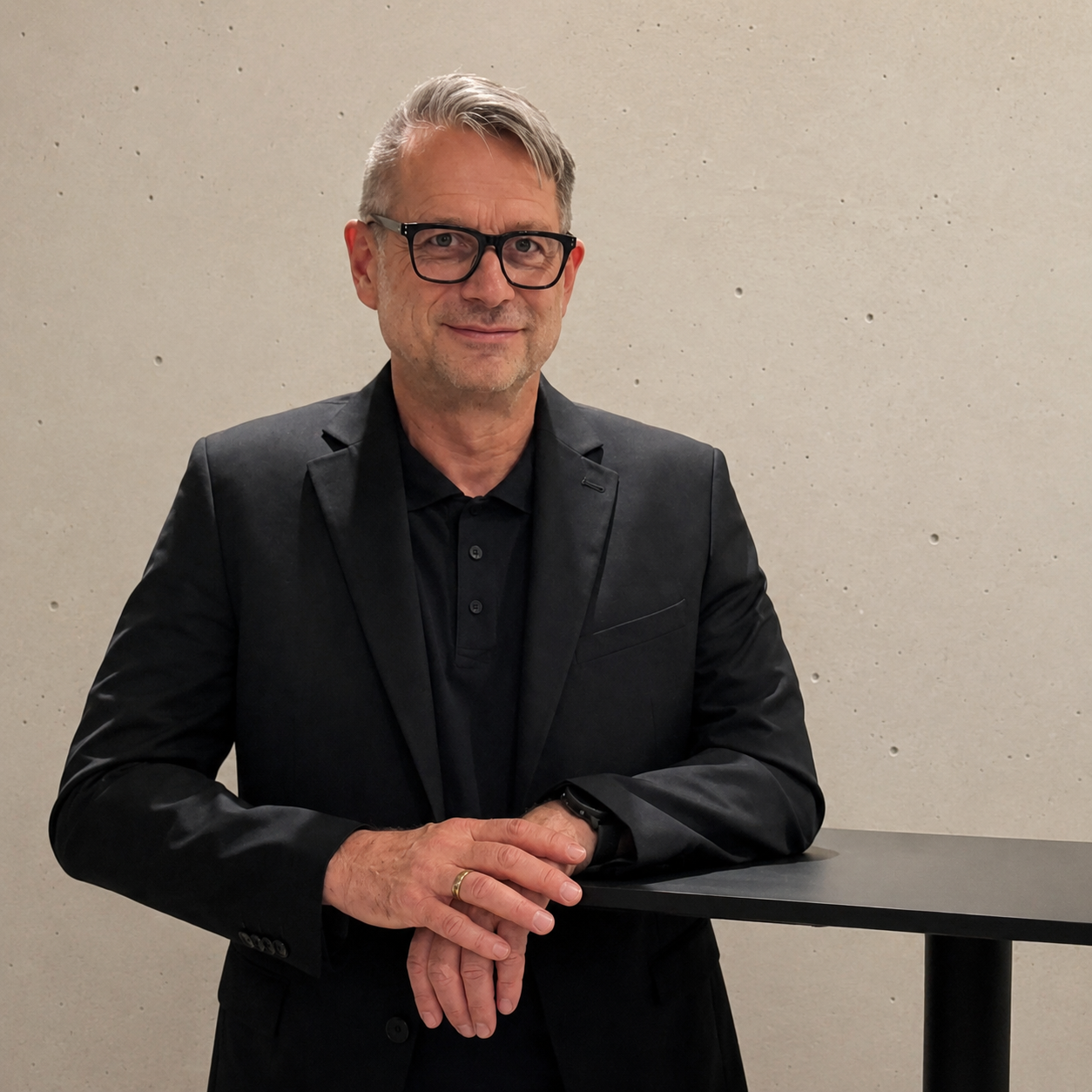
“What matters is not how complex a project is, but whether responsibility, decisions and risks are organised in such a way that management can steer the project in good time.”


Christoph Trull