MANAGING PROJECTS, SECURING RESULTS

ACTIVELY MANAGING CRITICAL PROJECTS

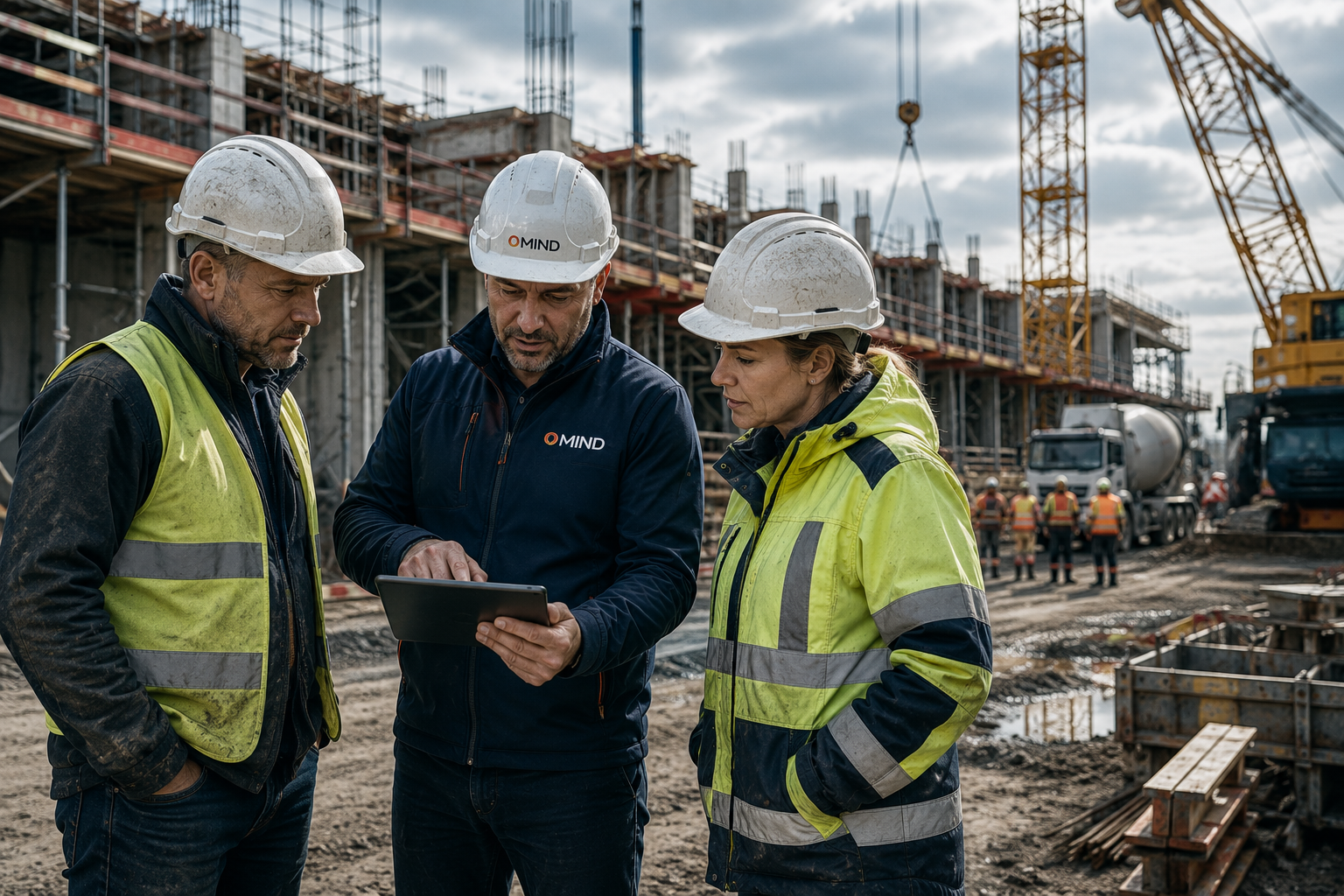
When project management methods, lean construction management and ramp-up plans fail to take hold in day-to-day operations, projects come under pressure in terms of deadlines, quality and costs. OMIND steps in to support ongoing projects, closes management gaps in meetings and routines, and demonstrates how leadership behaviour and discipline during implementation improve project metrics such as on-time delivery, claim rates and output.


TYPICAL SITUATIONS IN PROJECT IMPLEMENTATION

PROJECT MANAGEMENT METHODS MUST BE EFFECTIVE IN DAY-TO-DAY OPERATIONS

Leadership programmes in day-to-day project work

Project managers and executives are trained in traditional, agile or hybrid project management, yet under pressure from deadlines, quality and costs, the team reverts to ad-hoc management. Stand-ups, reviews, bottleneck resolution or feedback loops take place irregularly or remain without clear decisions and commitment.

Project managers and executives are trained in traditional, agile or hybrid project management, yet under pressure from deadlines, quality and costs, the team reverts to ad-hoc management. Stand-ups, reviews, bottleneck resolution or feedback loops take place irregularly or remain without clear decisions and commitment.

LEAN MUST NOT BECOME A FIREFIGHTING EXERCISE

Lean Construction during the construction phase

Schedules, the Last Planner and structured coordination are defined, but in day-to-day construction they are overshadowed by addenda, schedule changes and informal decisions. Trades wait for one another, information arrives too late and interfaces merely react instead of managing proactively.

RAMP-UP CURVES MUST LEAD TO A PEAK

Ramp-up in production and logistics

New production plants, production lines, logistics centres or smart factory solutions have been technically implemented, yet output, lead times or on-time delivery remain behind schedule. Bottlenecks shift, roles during the ramp-up phase are unclear and control routines are not applied consistently enough to build up performance steadily.

INTERNATIONAL COLLABORATION REQUIRES CLEAR LEADERSHIP

Large-scale projects with international teams

In large-scale projects involving clients, specialist departments, suppliers and partners from several countries, different languages, cultures and working methods collide. If roles, decisions and routines are not clearly defined here, friction and inefficiencies arise instead of stability in day-to-day operations.

REPORTING IS NO SUBSTITUTE FOR DAY-TO-DAY MANAGEMENT

Project reality behind reports

Status reports, KPIs, milestone trends and risk logs are maintained, but they do little to change behaviour within the project. Deviations are documented without this leading to clear accountability, effective measures and robust decisions in day-to-day operations.

Slide 1 of 2

WHAT MAKES PROJECTS RELIABLE

PROJECTS BECOME MANAGEABLE

Critical projects are actively supported in day-to-day operations.

OMIND prepares decisions, clarifies responsibilities and ensures that measures are implemented in a transparent manner; instead of additional reporting, effective project management emerges.

METHODS BECOME PRACTICAL

Lean, ramp-up and project management don’t just stay on slides.

Discussions and meetings follow a clear logic, bottlenecks are addressed and those responsible make decisions based on transparent facts. Teams experience that methods genuinely support deadlines, quality and cost targets.

RESULTS BECOME STABLE

Performance is made visible through key performance indicators.

OMIND links progress, deviations and actions to on-time delivery, output and costs. This reveals early on where adjustments are needed – and projects deliver more reliably, without constant ad-hoc meetings.
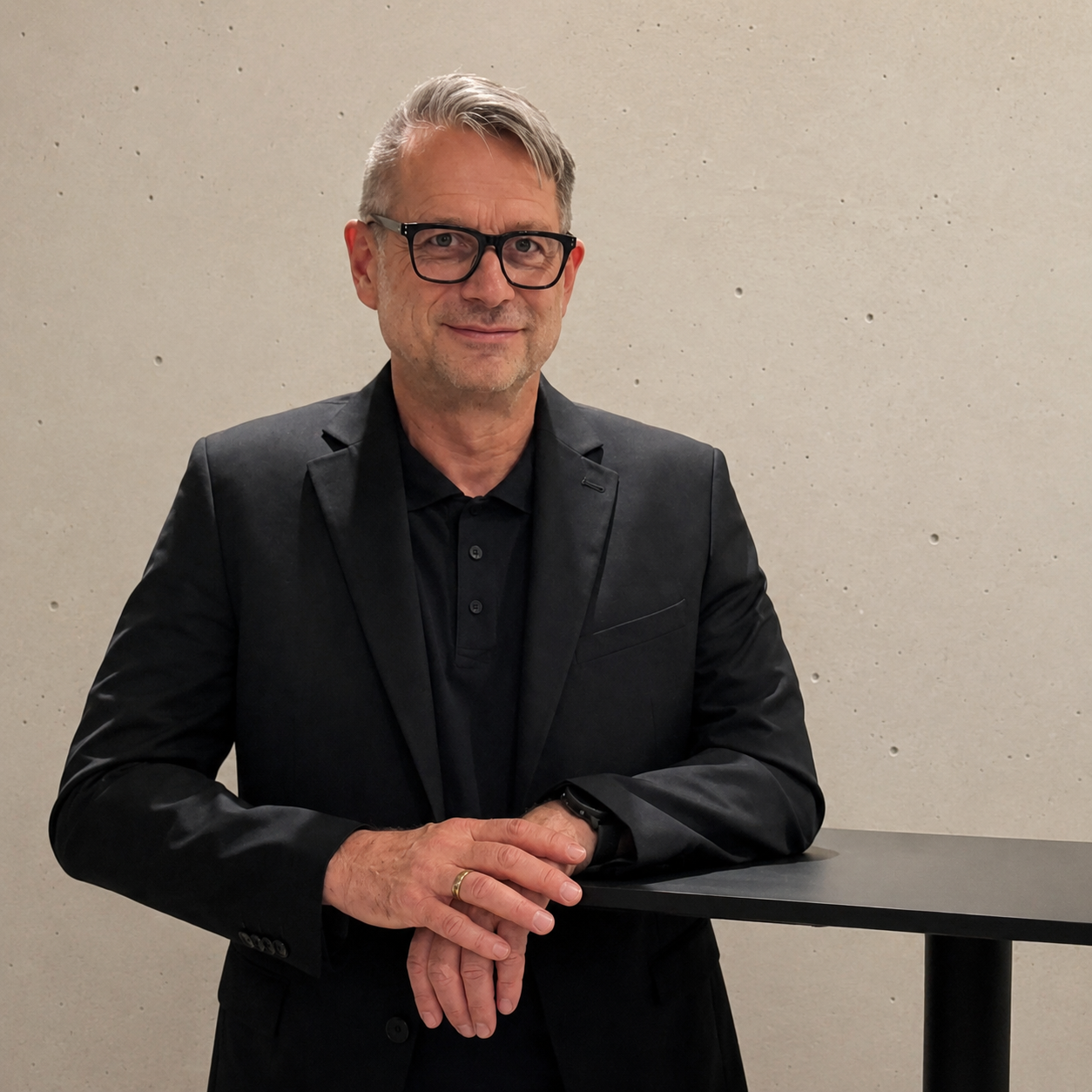
“In critical projects, reporting is no longer enough. What matters is that someone takes responsibility, leads decision-making and consistently follows up on actions.”


Christoph Trull